 Back to blog
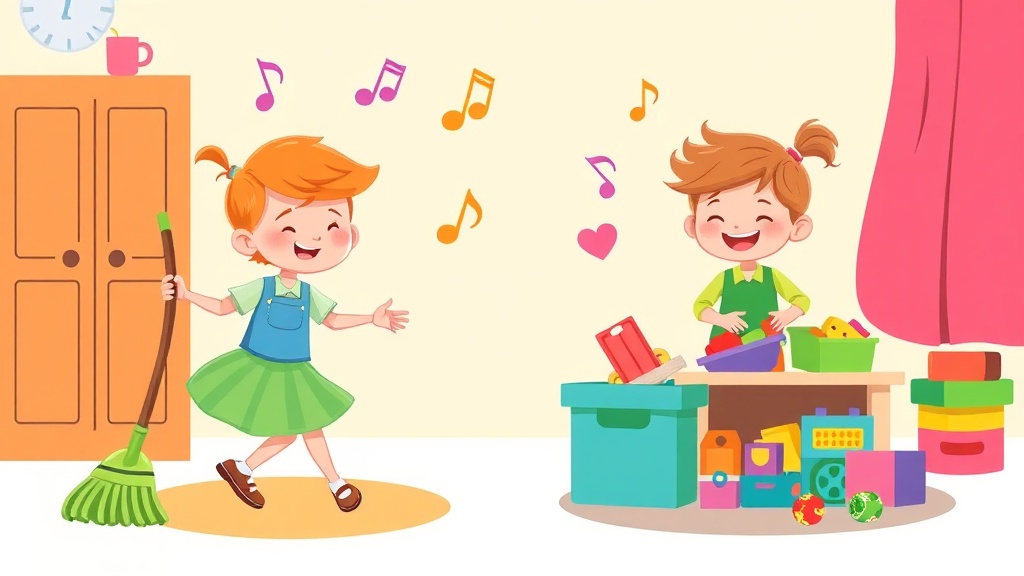
How to Make Chores Fun for Kids: 25 Ideas That Actually Work
"Chores" and "fun" in the same sentence? Is that even possible?
Yes—with the right approach.
Children are wired for play. When you tap into that natural drive, you transform dreaded tasks into activities kids actually look forward to. No bribes required.
Here are 25 tested strategies to make chores genuinely fun.
Why Making Chores Fun Matters
Before the ideas—the why:
Fun reduces resistance. Kids fight boring things. They embrace fun things. Simple as that.
Fun builds positive associations. A child who experiences chores as fun is more likely to become an adult who doesn't dread housework.
Fun creates intrinsic motivation. External rewards (money, treats) can backfire. Fun creates internal motivation that lasts.
Fun reduces your stress. When kids cooperate willingly, everyone's happier.
The goal isn't to pretend chores are Disneyland. It's to add enough engaging elements that the task becomes bearable—even enjoyable.
The Top 25 Ideas
1. Turn It Into a Race
"Let's see who can pick up the most toys in 60 seconds!"
Why it works: Competition triggers excitement and focus. Kids forget they're "doing chores" when they're racing.
How to do it:
- Race against a timer
- Race against a sibling
- Race against you
- Race against their own record
Ages: All ages (adjust the challenge level)
2. Use a Cleanup Song
Play a specific song that signals cleanup time. The goal: finish before the song ends.
Why it works: Music creates energy and signals transitions. It becomes Pavlovian—song starts, cleaning starts.
Popular options:
- "Clean Up" song (classic)
- Any upbeat 2-3 minute song they love
- Create a family cleanup playlist
Ages: Best for 2-7, but works at any age with their preferred music
3. Gamify with Virtual Pets (Choremon)
Kids care for virtual pets that respond to completed chores. Pets get happy, evolve, and thrive when tasks are done.
Why it works: Emotional connection to the pet creates genuine motivation. Kids don't want their Mon to be sad.
How it works:
- Download Choremon
- Set up tasks
- Kids check off when done
- Mon responds with happiness and growth
Ages: 4-14 (younger kids with parent help)
4. Create a Points System
Points earned toward something they want.
Why it works: Clear progress toward a goal is motivating. Kids can see their effort accumulating.
How to do it:
- Each chore = points
- Points add up to rewards
- Post a visible tracker
- Rewards can be privileges, not just purchases
Ages: 5+ (need to understand numbers/value)
5. Work Together
Side-by-side cleaning feels like teamwork, not punishment.
Why it works: Connection matters more than efficiency. Kids enjoy your company.
How to do it:
- "I'll fold the towels while you match the socks"
- "You wipe that side of the table, I'll wipe this side"
- Family cleaning hour on Saturdays
Ages: All ages (especially under 8)
6. Add Silly Rules
"You can only pick up toys while hopping on one foot!"
Why it works: Silly rules make mundane tasks novel and funny.
Ideas:
- Hop while putting things away
- Use only your non-dominant hand
- Make animal sounds while cleaning
- Wear something funny while doing chores
Ages: 3-10 (teens will roll their eyes, but secretly might enjoy)
7. Mystery Chore Jar
Pull a chore from a jar—the surprise element adds excitement.
Why it works: Uncertainty creates anticipation. It's a game of chance.
How to do it:
- Write chores on slips of paper
- Include a few "fun" ones (pick a snack, 5-minute break)
- Pull until daily chores are assigned
Ages: 4+
8. Chore Scavenger Hunt
Turn cleaning into a search-and-find mission.
Why it works: Scavenger hunts are inherently engaging. Kids love seeking.
How to do it:
- "Find 5 things that don't belong in this room and put them away"
- "Hunt for all the dirty socks in the house"
- Create a checklist of items to find and organize
Ages: 4-10
9. DJ for the Day
The person doing chores controls the music.
Why it works: Autonomy over music feels like power. Upbeat music creates energy.
How to do it:
- Whoever is cleaning picks the playlist
- Dance while cleaning is allowed (encouraged!)
- Sing along loudly
Ages: All ages
10. Dress-Up Cleaning
Clean in a costume or with special gear.
Why it works: Pretend play makes everything more fun.
Ideas:
- Superhero costume (fighting dirt villains!)
- Fancy apron like a "professional cleaner"
- Scientist goggles for bathroom cleaning
- Detective hat for organizing
Ages: 3-8
11. Create a Chore Challenge Board
Weekly challenges with increasing difficulty.
Why it works: Progression and leveling up tap into gaming psychology.
How to do it:
- Level 1: Basic daily chores
- Level 2: Daily + one weekly
- Level 3: Master level with new skills
- Celebrate level-ups
Ages: 6+
12. Family Cleaning Party
Everyone cleans together, with music, snacks, and fun.
Why it works: Shared experience feels less like individual burden.
How to do it:
- Set a time (Saturday morning, 30 minutes)
- Blast music
- Everyone works together
- Celebrate when done (special breakfast, outing)
Ages: All ages
13. Before/After Photos
Document the transformation.
Why it works: Visual proof of accomplishment is satisfying.
How to do it:
- Take a "before" photo of messy room
- Take "after" photo when clean
- Compare and admire
- Create a "transformation" album
Ages: 5+
14. Whistle While You Work
Literally. Or hum. Or make silly sounds.
Why it works: Sounds and movement change the brain state from drudgery to play.
How to do it:
- Whistle together
- Make up silly songs about what you're doing
- Sound effects for each task
Ages: All ages
15. Chore Bingo
Mark off chores on a bingo card. Five in a row = reward.
Why it works: Bingo format is familiar and fun.
How to do it:
- Create bingo cards with chores in squares
- Mark off as completed
- Bingo = privilege or prize
- Blackout = bigger reward
Ages: 5+
16. Surprise Inspection
Random "inspections" with rewards for clean spaces.
Why it works: Anticipation of surprise creates ongoing motivation.
How to do it:
- Announce occasional inspections
- Clean rooms earn surprise privileges
- Keep it positive, not punitive
Ages: 5+
17. Create Chore Characters
Each chore has a character or personality.
Why it works: Imagination transforms tasks.
Ideas:
- "Sir Mops-A-Lot" guards the kitchen floor
- "Captain Bedspread" needs help making the bed
- The toys need to "go to sleep" in their bins
Ages: 3-7
18. Partner Up with Siblings
Sibling teams work together.
Why it works: Partnership creates accountability and connection.
How to do it:
- Assign pairs to tasks
- Teams compete against other teams
- Rotate partners weekly
Ages: 4+ (when there are siblings)
19. Use Kid-Sized Real Tools
Real (small) brooms, spray bottles, dustpans—not toys.
Why it works: Real tools feel important. Toy tools feel dismissive.
Where to find:
- Montessori supplies
- Amazon "child-sized cleaning tools"
- Hardware store (small items)
Ages: 3+
20. Backward Cleaning
Do tasks in reverse order or backward.
Why it works: Novelty is inherently engaging.
How to do it:
- Wipe table from opposite side
- Pick up toys while walking backward
- Do evening routine in reverse order
Ages: 4+
21. Hidden Rewards
Hide small treats or notes among the mess to discover while cleaning.
Why it works: Surprise discoveries create delight.
How to do it:
- Hide a coin, small candy, or positive note
- They find it while cleaning
- Occasional, not every time
Ages: 3-10
22. Timer Challenges
Beat the clock at different tasks.
Why it works: Time pressure creates focus and urgency.
How to do it:
- Estimate how long a task will take
- Try to beat that time
- Track personal bests
Ages: 5+
23. Create a Chore Playlist
A special playlist only for cleaning time.
Why it works: Ritual and association make cleanup automatic.
How to do it:
- Let kids help choose songs
- Same playlist every time
- Length matches expected chore time
Ages: All ages
24. Add Movement Breaks
Build in dance breaks or jumping jacks between tasks.
Why it works: Movement releases energy and resets attention.
How to do it:
- Every 5 minutes = 30-second dance party
- Between rooms = jumping jacks
- After each task = shake it out
Ages: All ages
25. Celebrate Completion
Make finishing feel like an accomplishment.
Why it works: Ending on a high note creates positive association.
How to do it:
- High fives
- Victory dance
- Special privilege
- "You did it!" moment
Ages: All ages
Matching Ideas to Ages
| Age | Best Strategies |
|---|---|
| 2-3 | Songs, working together, characters, dress-up |
| 4-5 | Races, timers, scavenger hunts, points |
| 6-8 | Bingo, challenges, mystery jar, before/after |
| 9-12 | Points systems, DJ control, family parties |
| 13+ | Music choice, work together, celebrations |
Matching Ideas to Chore Types
| Chore | Best Fun Strategies |
|---|---|
| Picking up toys | Race, scavenger hunt, characters |
| Making bed | Timer challenge, before/after |
| Kitchen cleanup | Music, work together, DJ control |
| Vacuuming | Dance while doing, timer |
| Bathroom cleaning | Dress-up, spray bottle fun |
| Laundry folding | Matching games, work together |
| Yard work | Partner up, family party |
What If Nothing Works?
If none of these make a dent:
Check the basics: Are they tired? Hungry? Overwhelmed?
Check expectations: Are chores age-appropriate? Too many?
Check your approach: Are you stressed and passing it on?
Consider underlying issues: Some children genuinely struggle. Professional help may be warranted for persistent resistance.
And remember: even with fun strategies, there will be days of resistance. That's normal. Consistency matters more than perfection.
The Ultimate Game-Changer: Choremon
Choremon transforms chores through virtual pet care. Kids nurture Mons that depend on task completion—creating genuine emotional motivation.
What makes it work:
- Mons respond visibly to completed chores
- Evolution keeps kids engaged long-term
- Gentle approach (no punishment, just encouragement)
- Streaks build habit
- Parents can track progress remotely
When external motivation (nagging) is replaced with internal motivation (caring for Mon), everything changes.
Frequently Asked Questions
How do I make chores fun for a toddler?
For toddlers (2-3), focus on: cleanup songs, racing against a timer, working together, making tasks into games ("toys are tired and need to sleep in the bin"), and lots of praise. Keep tasks tiny and expectations low.
What's the best way to gamify chores?
Points systems, level-up challenges, and apps like Choremon all work well. The key is visible progress toward something meaningful. Virtual pets or points charts provide ongoing motivation without constant parental reminders.
How do I make chores fun for a teenager?
Give autonomy: music choice, timing flexibility, and how they complete tasks. Connect chores to meaningful privileges. Family cleaning sessions with shared music can work. Avoid "babyish" gamification—respect their maturity.
Can making chores fun backfire?
If every moment must be "fun," kids may expect entertainment for everything. Balance fun strategies with matter-of-fact expectations. Some chores are just chores. Fun approaches reduce friction, but responsibility remains the foundation.
How long should I use fun strategies?
As long as they help! Many strategies become routine and lose novelty, so rotate them. The goal is building habits—once a task is automatic, less "fun" is needed. But even adults use music and timers to make housework tolerable.